
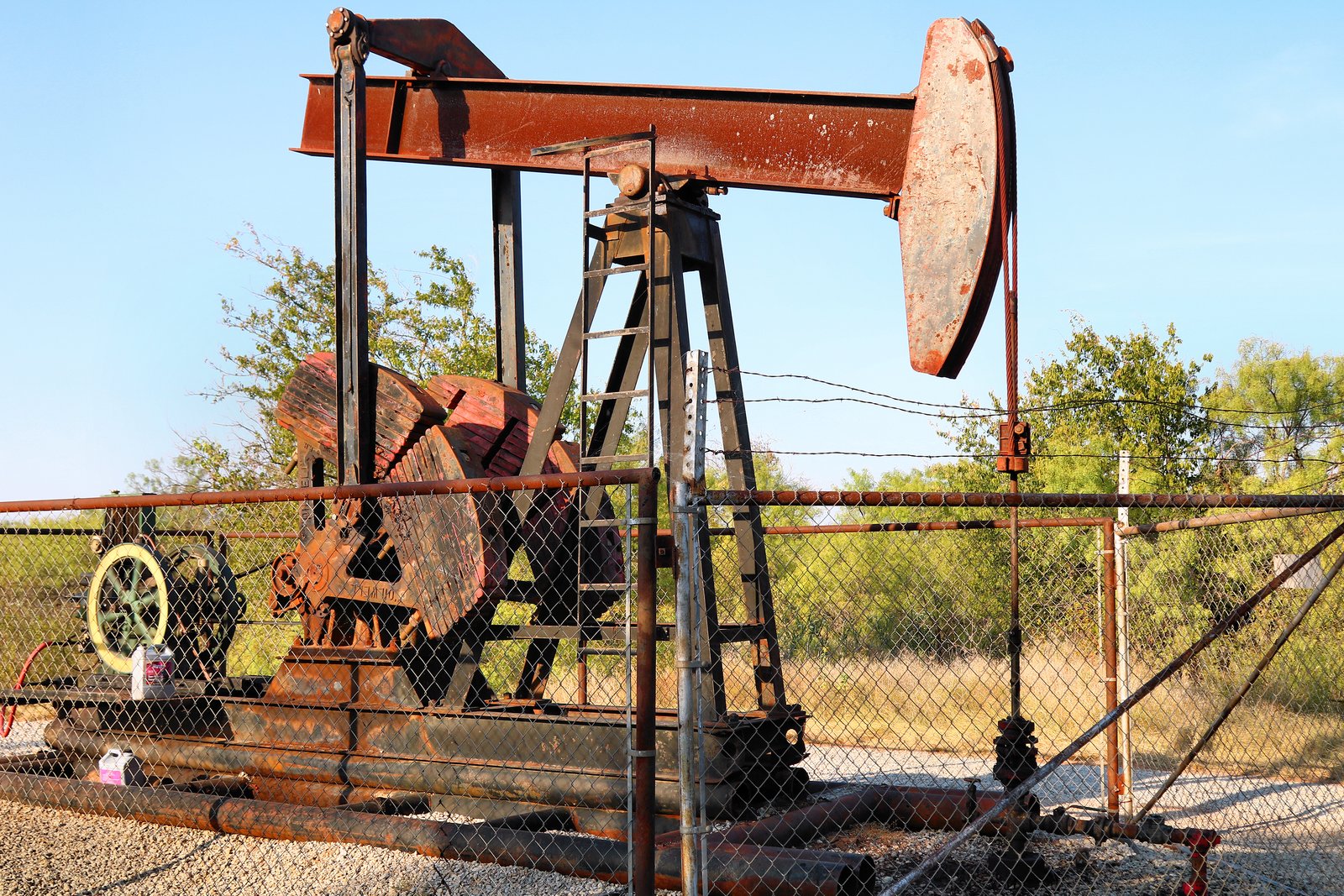
Quick answer: In Texas, any minerals you own go to the buyer with your land unless the contract and deed expressly reserve them. You can keep all of your mineral interest, keep a fraction, or sell everything with the surface. On a TREC contract, that choice is written into the Addendum for Reservation of Oil, Gas, and Other Minerals (TREC 44-3).
I'm Evan Hitch, a REALTOR® with Evan Hitch Property Group at Southern Trust Realty and part of the Southern Trust Land Team for farm and ranch property. I'm also a Mortgage Loan Originator (NMLS #2716178). When I sit down with a landowner west of Katy, out in Waller County near Brookshire or Hempstead, or farther out in Austin, Wharton, or Grimes County, the mineral question comes up early. It should. It's one of the few decisions in a land sale that can follow your family for generations, and it's easy to get wrong by accident.
I'm not an attorney, and Texas license holders can't write mineral clauses or give legal advice. What I can do is explain how the pieces fit, so you walk into the attorney's office and the listing appointment with the right questions. Everything below is checked against the Railroad Commission of Texas, the Texas Real Estate Commission (TREC), Texas A&M AgriLife, and Texas REALTORS® as of November 29, 2026.
Do mineral rights automatically go with the land in Texas?
Yes, if you own them and say nothing. The Railroad Commission of Texas puts it directly: if an owner does not explicitly limit the transfer to the "surface only" or explicitly retain the minerals when selling the surface, the mineral estate he owns is automatically included in the sale.
Texas treats land as two separate estates, the surface and the minerals. They start out together, but they can be split, or "severed." The Railroad Commission notes that in areas with a lot of historical oil and gas development, it's common for the surface and the minerals to be owned by different people.
How do you know whether you own the minerals at all?
Don't assume. Many severances happened generations ago. Texas A&M AgriLife's guide Determining Mineral Ownership in Texas lists the places to start looking:
- Royalty checks or a division order. If you receive either, your ownership percentage may be shown on it.
- An existing or proposed lease. If an oil and gas company leases or wants to lease your minerals, you can ask for a copy of its title research. Some companies share it and some don't.
- Your title insurance policy. AgriLife notes most title companies no longer state an opinion on mineral ownership, but it's still worth checking what your policy says.
- The deed records. You can search them yourself, but AgriLife warns that tracing a chain of title back for old reservations is time consuming even for experienced oil and gas attorneys.
Texas REALTORS® says the only way to know the precise extent of your mineral ownership is a review of the chain of title by an expert such as an oil and gas attorney or a landman, and that some title companies offer that service for a fee. If your land traces back to an old Spanish or Mexican land grant in South Texas, the Texas General Land Office explains that those grants generally did not include minerals until the Constitution of 1866 released them to the surface owners of the time. History matters here.
What are your options when you sell?
If you do own minerals, you generally have three paths:
- Convey everything. The buyer gets the surface and whatever mineral interest you own. This is what happens by default if nothing is reserved.
- Reserve all of your mineral interest. You sell the surface and keep every bit of the mineral estate you own.
- Reserve part of it. You keep an undivided percentage or fraction, such as half, and the rest goes to the buyer.
One detail catches people: if you only own part of the minerals, a reservation applies to your share. TREC's addendum notes that if the seller does not own all of the mineral estate, the seller reserves only that percentage or fraction of the seller's own interest.
What does the TREC mineral reservation addendum cover?
On a Texas farm and ranch sale, the current TREC Farm and Ranch Contract (TREC 25-17) says any reservation for oil, gas, or other minerals, water, timber, or other interests is made with an attached addendum. For minerals, that's the Addendum for Reservation of Oil, Gas, and Other Minerals (TREC 44-3), effective February 1, 2023. Here's what's in it:
- A broad definition of "Mineral Estate." It includes oil, gas, and other minerals, royalties under existing or future leases, executive rights (the right to sign a mineral lease), implied rights of ingress and egress, and mineral lease payments.
- Things it leaves out. Water, sand, gravel, limestone, building stone, caliche, surface shale, near-surface lignite, and iron are not part of the Mineral Estate, though reasonable use of them for drilling and production is included.
- A surface rights choice. In Section C, the seller checks whether they do or do not waive the rights of ingress, egress, and reasonable use of the surface that come with the minerals. If Section C is left blank, the form treats that as an election to convey all of those surface rights to the buyer.
- Lessee contact information. If the seller doesn't reserve all of their mineral interest, they must give the buyer current contact information for any known mineral lessee within 7 days after the effective date.
The form carries its own warning: precise contract language is essential, and both sides are strongly encouraged to consult an attorney with expertise in this area before signing.
Why does reserving the minerals matter to a buyer?
Because in Texas the mineral estate is dominant. According to the Railroad Commission, the mineral owner, or a company that leases from them, has the right to use the surface as reasonably necessary to explore for and produce oil and gas. That can include seismic testing, well sites, roads, and pipelines, generally without the surface owner's permission and without paying for non-negligent damage.
There are limits. The deed or lease terms can change those rules, many cities restrict drilling by ordinance, and the "accommodation doctrine" can require an operator to work around an existing surface use when a reasonable alternative exists.
Texas REALTORS® sums up what buyers care about in three words: money, surface rights, and possible drilling. In my experience, that's especially true on smaller acreage near Katy, Fulshear, and the Waller County line, where buyers are picturing a homesite, a barn, and a pond. A buyer who plans to build will ask whether a rig could ever show up beside the house. A seller who reserves the minerals but waives surface use in Section C can often ease that worry. It's a trade-off worth talking through with your attorney before you list, not after the first offer comes in.
What leases do you have to disclose when you sell?
The TREC farm and ranch contract has a section for "Natural Resource Leases," which covers existing oil and gas, mineral, geothermal, water, or other natural resource leases the seller is a party to. If the seller hasn't handed the buyer copies at signing, the seller must deliver them within 3 days after the effective date, and the buyer can terminate within the number of days the parties fill in and get the earnest money back.
There's a separate section for surface leases, such as grazing, hunting, agricultural, recreational, wind, solar, or timber leases. Gather all of these before you list. Surprises in this part of the contract are how deals fall apart late.
What should you do before you list your land?
- Pull every document you have: your deed, title policy, old leases, division orders, and royalty statements.
- Find out what you actually own. Talk to an oil and gas attorney or landman about a title review before you set a price.
- Decide on all, part, or none. Think about your heirs, your tax picture, and how much a reservation might narrow your buyer pool.
- Decide on surface use. Know your answer to Section C of TREC 44-3 before you list, because buyers will ask.
- Have an attorney draft or review the language so the contract and the deed say exactly the same thing.
- List any leases up front so buyers see them early.
Mineral questions often travel with the other big land-sale decisions. If you're also weighing an ag valuation, read my guide to rollback taxes when you sell ag-exempt land. If you're wondering whether to split the tract, see selling your land whole or in smaller pieces. And if several family members inherited the place together, start with selling inherited land with several heirs. Buyers can review my acreage due diligence checklist.
Whether your land is a few acres outside Katy or a working ranch farther out in Texas, I'm happy to walk through it with you. You can browse land and homes for sale on my RealScout search, grab one of my free guides, or call or text me at 281-400-0414. No pressure, just a conversation.
Frequently asked questions
Can I sell my land and keep the mineral rights in Texas?
Yes. A seller who owns minerals can reserve all or part of them. On a TREC farm and ranch contract, the reservation is made with the Addendum for Reservation of Oil, Gas, and Other Minerals (TREC 44-3), and an attorney should make sure the deed matches.
What happens if I don't mention minerals in the sale?
According to the Railroad Commission of Texas, if the seller doesn't limit the sale to the surface only or explicitly keep the minerals, any mineral estate the seller owns is automatically included in the sale.
Are water rights part of the mineral rights?
Not under TREC 44-3. Its definition of the Mineral Estate leaves out water, along with sand, gravel, limestone, caliche, and similar surface materials. The farm and ranch contract says any reservation of water is also made by a separate addendum.
What if a past owner already kept the minerals?
Then those minerals aren't yours to sell or reserve. Texas REALTORS® calls this an exception: a right held by someone who isn't a party to your sale and usually shows up in the chain of title. A title review will show it.
Can my real estate agent write the mineral reservation?
No. TREC rules prohibit brokers and sales agents from giving legal advice, and Texas REALTORS® notes that REALTORS® are not permitted to draft and add mineral clauses to contracts. Your agent can supply the TREC 44-3 addendum; an attorney should handle anything custom.
This article is general information, not legal or tax advice. Talk with a Texas oil and gas attorney about your specific property. Evan Hitch, REALTOR® and Mortgage Loan Originator, NMLS #2716178.
Cover photo: "Oil Well Lake Arrowhead State Park Texas 2024" by Larry D. Moore, CC BY 4.0, via Wikimedia Commons.

Written by Evan Hitch, MBA, REALTOR® and Mortgage Loan Originator, NMLS #2716178
Have a question about buying, selling, or financing real estate in Texas? Evan Hitch, MBA, REALTOR® answers the way he would want his own questions answered: directly.
Talk to Evan