
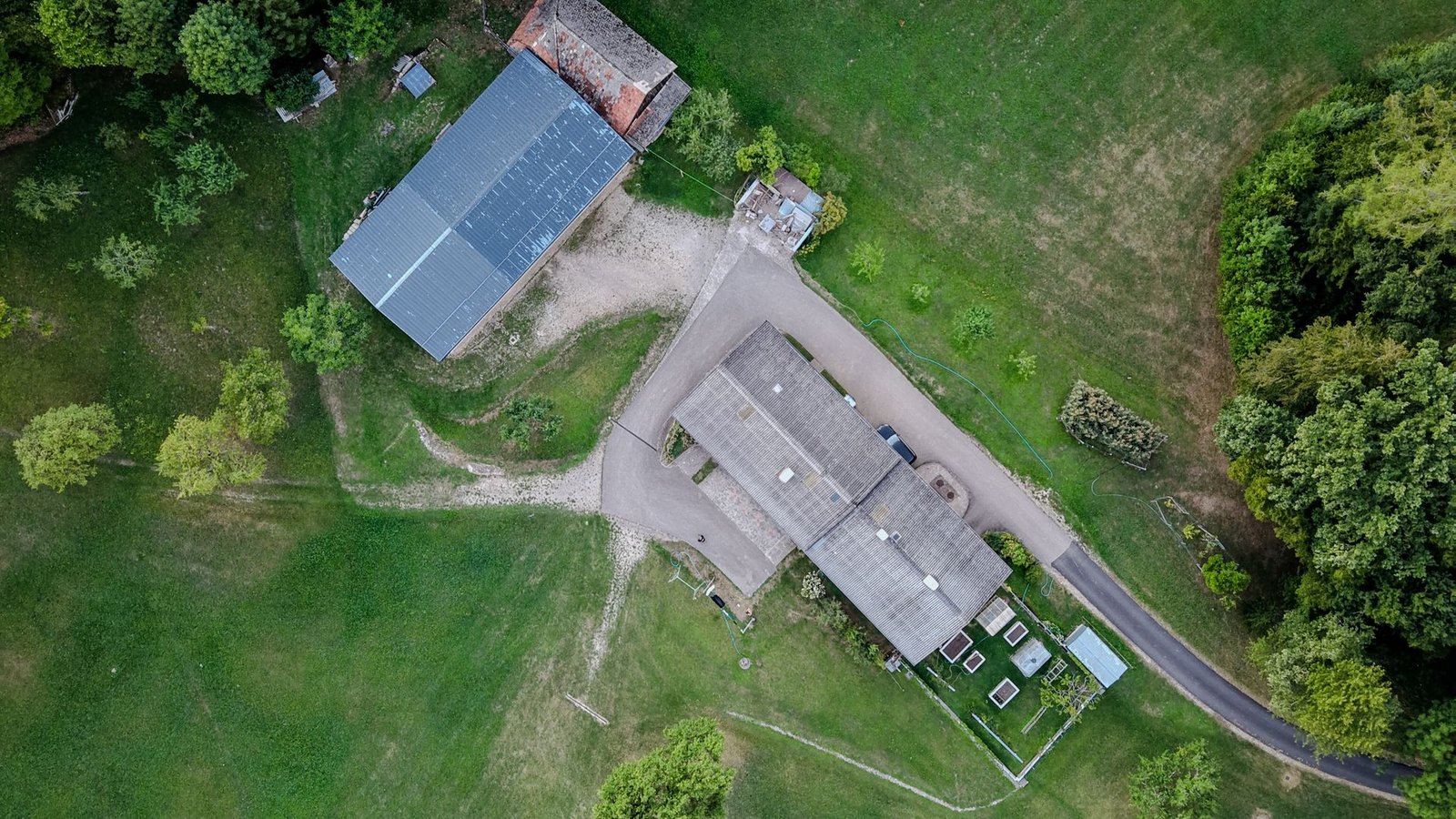
Quick answer: Before you buy a home on acreage near Houston, check seven things: the water well, the septic system, the floodplain and drainage, legal access and easements on a new survey, deed restrictions and county rules, who owns the minerals, and utilities like internet. Then confirm the property fits your loan, because lenders treat acreage differently than a subdivision lot.
I'm Evan Hitch, a REALTOR® with Evan Hitch Property Group at Southern Trust Realty and a Mortgage Loan Originator (NMLS #2716178). I also work land and country properties with the Southern Trust Land Team. More and more of my clients want room to breathe: a few acres, a shop, maybe a horse or a garden big enough to matter.
I see it right here in Fort Bend County, out toward Needville, Orchard, and Beasley, and just north in Waller County. I see it in Magnolia and the Montgomery side, around Plantersville in Grimes County, down toward Alvin and Danbury in Brazoria County, and east near Dayton in Liberty County. The land changes from place to place, but the homework does not. Here is the checklist I walk through before anyone signs.
How do you check the water well before you buy?
Out past city water lines, many homes on acreage run on a private well, and in Texas the owner is responsible for that water. The Texas Well Owner Network, run by Texas A&M AgriLife Extension, says in its Water Well Basics guide that well water should be tested at least once a year for nitrate, total dissolved solids, and E. coli or fecal coliform bacteria.
Do not assume a well is fine because the house looks fine. In an August 2023 article from the Texas Water Resources Institute, a Texas Well Owner Network specialist said that of the well samples the program screens, about 15 to 20 percent test positive for coliform bacteria, 3 to 5 percent for E. coli, and 5 to 8 percent come in above the drinking water standard for nitrate.
What I ask for on every acreage purchase:
- A water test from an accredited lab during your option period, not after closing.
- The well's age, depth, and any repair or pump records the seller has.
- An inspection of the pump, pressure tank, and wellhead by a licensed well professional.
- Whether the well is registered with the local groundwater conservation district. In Waller, Austin, Grimes, and Walker counties, the Bluebonnet Groundwater Conservation District requires all water wells to be registered. You can find the district for other counties through the Texas Water Development Board.
What should you know about the septic system?
Many country homes also have an on-site sewage facility, which most of us just call a septic system. The Texas Commission on Environmental Quality explains on its OSSF permit page that a permit and an approved plan are required to construct, alter, repair, or extend a system, and that local permitting authorities, often the county, usually handle it. Some older systems are grandfathered, and some systems on tracts of 10 acres or more can be exempt from permitting if they meet specific conditions.
For a buyer, that means a few practical steps:
- Ask the seller for the septic permit, the system type, and any maintenance contract. Aerobic systems usually need ongoing maintenance.
- Call the county permitting authority to see what records exist for the property.
- Hire a licensed inspector to look at the tank and the drain field during your option period.
- If you plan to add a bedroom, a guest house, or a shop with a bathroom, ask whether the system can handle it. That can change the budget fast.
How do you check flood risk and drainage on acreage?
A big piece of land can sit high on one end and hold water on the other. Before you fall in love with a building site, look the address up on the FEMA Flood Map Service Center, ask the seller about past flooding, and walk the property after a good rain if you can. Low spots, creek bottoms, and drainage ditches all matter for where a barn, a pond, or a future addition can go. If any part of the tract is in a mapped floodplain, county floodplain rules can apply to new building there, and your lender will typically require flood insurance if the home itself sits in a FEMA high-risk flood zone.
Do you have legal access, and what easements cross the land?
This one trips people up. A gravel drive the neighbors have used for 30 years is not the same as recorded legal access. On acreage, I want a new survey that shows the boundary lines, the road frontage or a recorded access easement, and every easement that crosses the property.
Common ones out here include utility lines, drainage easements, and pipelines. The Railroad Commission of Texas offers a public GIS map for locating pipelines and oil and gas wells, and it is worth a look before you pick a spot for the house or a pond. The title commitment will list recorded easements too, so read it alongside the survey, not on its own.
What deed restrictions and county rules apply?
A lot of buyers move to the country for freedom, and then find out the land has rules. The Texas Real Estate Research Center at Texas A&M put it well in a May 2026 article: Texas counties generally do not have the zoning powers cities have, but they do regulate subdivisions, septic systems, floodplains, and roads. Private deed restrictions can also limit business use, structure types, short-term rentals, and more, and they are recorded where you can read them before you buy.
Before you make an offer, find out:
- Whether there are deed restrictions or a property owners association, and what they say about livestock, outbuildings, manufactured homes, or minimum home size.
- Whether the property is inside a city's extraterritorial jurisdiction, where city subdivision rules can reach past the city limits.
- What the county requires to build a shop, add a driveway, or put in a culvert.
The same goes for taxes. Ask whether the land carries an agricultural valuation and whether you plan to keep a qualifying use going. My guide to rollback taxes on ag land explains what happens when that use changes.
Who owns the mineral rights?
In Texas, minerals can be separated from the surface, and the Texas Real Estate Research Center notes that the mineral owner, or their lessee, can generally use the surface to reach those minerals without the surface owner's permission. An existing lease also stays in force after a sale. Ask the seller what they own and whether anything is leased, read the title commitment carefully, and talk with a real estate attorney if minerals matter to you. If an earlier owner kept some or all of the minerals, that can be fine as long as you know it going in.
What about internet, power, and the road in?
These are not glamorous, but they decide whether daily life works. Check which electric provider serves the property and where the nearest line is if you plan to build a barn or shop. Check internet options at the actual address, not the zip code, because coverage can change from one side of a county road to the other. And drive the road in at rush hour and after a storm. A county-maintained road and a private road with no maintenance agreement are two very different things.
How do you finance a home on acreage?
This is where being licensed on both sides helps my clients. A lot of people assume any home loan works on any property, and acreage is where that breaks down.
- Residential loans are built for homes, not farms. Fannie Mae's general property eligibility rules say it does not buy mortgages on agricultural properties such as farms or ranches, or on vacant land. A home on a few acres that is mainly a residence is usually a different story, and the appraisal helps decide which side of that line a property falls on.
- Appraisals can take more work. Fannie Mae's September 2024 Appraiser Update notes that rural markets often have limited sales data, which makes finding comparable sales harder. More acreage than is typical for the area can affect how a property is valued.
- Bigger working tracts, or raw land with no house, usually go through land or farm lenders with their own down payment and term requirements.
- Wells, septic, and access all show up in underwriting, which is one more reason to check them early.
I can look at the property and the financing together from the first conversation, so you know early whether a tract fits a standard home loan or needs a different path. A dedicated loan team handles processing behind the scenes, and I stay involved so you always know where things stand. You can review loan options on my site or visit Evan Hitch Loans. Every loan is subject to approval.
How do I help buyers vet acreage?
When a client finds a place in the country, we build the due diligence into the contract timeline so nothing gets left to the last week. Water test, septic inspection, survey, title review, restrictions, and the loan path all run side by side during the option period. My general guide to the four things to check before you buy a home covers the basics for any purchase, and our farm and ranch page has more on country homes and land. If you want to see what is out there right now, you can search homes for sale across Greater Houston on my home search, and my Needville area guide is a good place to start if Fort Bend County country living is on your list.
Frequently asked questions
Do I need a survey when buying acreage in Texas?
It is not always required, but on acreage I recommend a new one almost every time. A current survey shows boundaries, road frontage or recorded access, and the easements that cross the land, which an old survey or a fence line will not tell you.
How do I test well water before buying a house in Texas?
Order a test from an accredited lab during your option period. The Texas Well Owner Network recommends testing at least for nitrate, total dissolved solids, and E. coli or fecal coliform bacteria, and a licensed well professional can inspect the pump and wellhead.
Can I get a regular mortgage on a home with acreage?
Often, yes, when the property is mainly a residence and the appraisal supports it. Fannie Mae does not buy loans on farms, ranches, or vacant land, so working tracts or raw land usually need a land or farm lender. Every loan is subject to approval.
Are there zoning rules outside city limits in Texas?
Texas counties generally do not have traditional zoning, but they do regulate subdivisions, septic systems, floodplains, and roads. Deed restrictions and property owners associations can also limit how you use the land, so read them before you buy.
Ready to look at land?
If a few acres are calling your name, let's look at the property and the financing together before you fall for a building site. Book a time with me or call 281-400-0414. This is general information, not legal, tax, survey, or environmental advice, and every loan is subject to approval.
Evan Hitch, MBA, REALTOR® & Mortgage Loan Originator, NMLS #2716178. Evan Hitch Property Group at Southern Trust Realty. Southern Trust Land Team. Hitch Your Future.

Written by Evan Hitch, MBA, REALTOR® and Mortgage Loan Originator, NMLS #2716178
Have a question about buying, selling, or financing real estate in Texas? Evan Hitch, MBA, REALTOR® answers the way he would want his own questions answered: directly.
Talk to Evan