

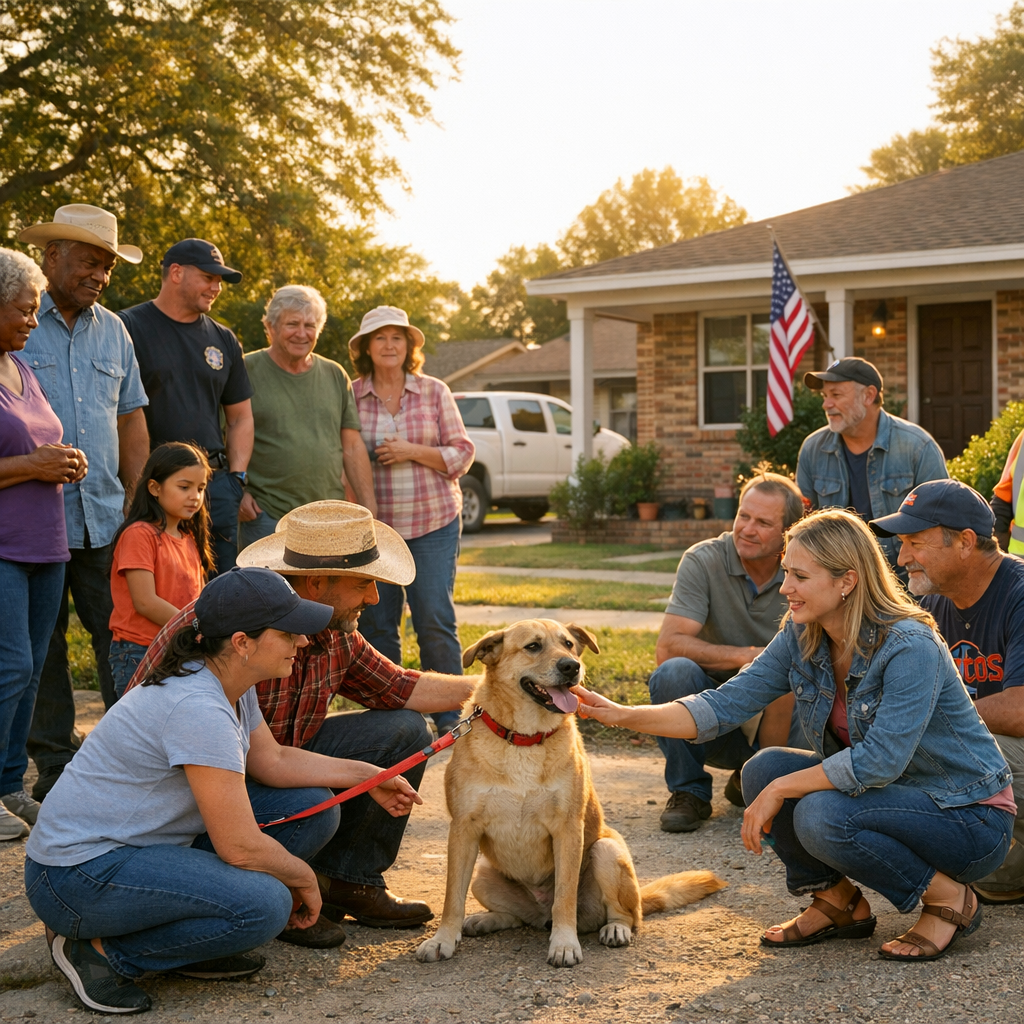
In Rosenberg, Texas, a local dog named Hachi has become the center of an emotional and high-profile battle between animal lovers, city officials, and the legal system. What began as a single incident involving Hachi has escalated into a community-wide campaign to stop his euthanasia and reconsider how such cases are handled.
For residents of Rosenberg and the greater Fort Bend County area, Hachi’s story is about more than one dog. It raises important questions about how we balance public safety, animal welfare, and due process—and how much power a community has when it speaks up.
Who Is Hachi, and What Happened?
Hachi is a family dog in Rosenberg who was ordered to be euthanized following a reported incident. According to supporters, this decision came after a single event, and they argue that it does not reflect Hachi’s overall temperament or history as a pet.
The case moved quickly into the legal and administrative system, with Rosenberg Animal Control and Shelter involved in the determination that Hachi should be put down. For many in the community, the severity of that outcome—euthanasia after one incident—felt disproportionate and deeply troubling.
As word spread, neighbors, local advocates, and animal lovers across Texas began to ask whether all options had truly been explored:
- Could Hachi be evaluated by a certified behaviorist?
- Could he be relocated or placed with a specialized rescue?
- Were there conditions under which he could be safely managed instead of euthanized?
These questions helped spark a public campaign to save his life.
How the Community Rallied Around Hachi
In the age of social media, local stories can become regional—or even national—very quickly. Hachi’s situation is a prime example. Supporters created and shared posts, launched petitions, and organized updates through community Facebook groups and online forums.
One widely shared Facebook post describes the “fight to save Hachi” and calls on residents to contact city officials, sign petitions, and spread awareness about the case. The tone of these posts is both emotional and urgent, emphasizing that Hachi should be given another chance and that his life has value beyond a single incident.
Community efforts have included:
- Online petitions urging the city to reconsider the euthanasia order
- Calls and emails to Rosenberg Animal Control and local officials
- Social media campaigns sharing Hachi’s story and encouraging peaceful advocacy
While not every reader will agree on the right outcome in Hachi’s case, there’s no question that the response shows how powerfully a community can mobilize when it believes an animal has been treated unfairly.
The Broader Issues Hachi’s Case Highlights
Hachi’s case doesn’t exist in a vacuum. It touches on several broader issues that matter to homeowners, renters, and families throughout Rosenberg and beyond:
1. How “dangerous dog” cases are handled
Local animal control agencies are tasked with protecting public safety, which sometimes includes difficult decisions about animals that have bitten or behaved aggressively. At the same time, many advocates argue that each case deserves individualized consideration, including professional behavioral assessments and exploration of alternatives to euthanasia.
2. The role of public input
In Hachi’s case, the outpouring of community support shows that residents want a voice in how these decisions are made. When a case becomes high-profile, it can put pressure on local authorities to review policies, increase transparency, and improve communication with the public.
3. Responsible pet ownership and prevention
Incidents that lead to extreme outcomes often start with smaller, preventable issues—lack of training, inadequate fencing, or unsupervised interactions. For local homeowners and pet parents, Hachi’s story is a powerful reminder to:
- Ensure proper containment (secure fencing, leashes, and gates)
- Invest in obedience training and socialization
- Take early signs of fear or reactivity seriously, before they escalate
By focusing on prevention, families can protect both their pets and their neighbors—and reduce the chances of ever facing a situation like Hachi’s.
What This Means for Rosenberg Residents
For people living in Rosenberg, the fight to save Hachi is also a reflection of the community’s values. Whether you side primarily with animal control’s responsibility to protect the public, or with advocates’ plea to save Hachi’s life, this case shines a light on:
- How quickly a local story can become a movement
- How important it is to understand your city’s animal control policies
- How much power residents have when they get organized and speak up
If you’re a pet owner in Rosenberg or the surrounding area, now is a good time to:
- Review your own dog’s training, containment, and socialization
- Familiarize yourself with local ordinances related to pets and animal control
- Stay informed about how cases like Hachi’s are handled, so you can advocate for fair, balanced policies that protect both people and animals
A Community Story Still Being Written
As of now, Hachi’s story is still unfolding, shaped by legal processes, city decisions, and ongoing community advocacy. Regardless of the final outcome, the high-profile effort to save him has already had a lasting impact—bringing neighbors together, elevating conversations about animal welfare, and prompting many residents to take a closer look at how their city responds when a pet is involved in a serious incident.
For anyone who loves animals, owns a home with pets, or simply cares about due process and compassion, Hachi’s case is a reminder that every voice matters—and that the way we treat vulnerable animals says a great deal about who we are as a community.
If you’d like to follow or support efforts around Hachi’s situation, you can look for current updates in local Rosenberg community groups and advocacy pages. Because this is an evolving situation, always rely on the most recent, verified information before taking action.